21 Michigan Worker Deaths So Far in 2026: The Safety Rules Employers Can’t Ignore

An elevated, wide-angle photograph taken from a high vantage point looks down onto a modern manufacturing factory floor, where a diverse group of seven people are gathered in a circle around a whiteboard for a meeting. In the center, a woman with dark, short-hair wearing a plaid shirt and jeans points to a whiteboard that has "hazard Board" and a simple diagram on it. Facing her are six other people: two other women and four men of varying ethnicities. Most of the attendees are holding papers and listening attentively. One woman on the right has her hand raised. They are all wearing casual but professional work clothes, such as jackets, hoodies, and polo shirts. The concrete floor of the factory is marked with yellow lines. In the background are various pieces of industrial machinery, including large grey CNC machines, conveyor belts, and open-front shelves with blue storage bins on the right side. A metal storage rack with tools is also visible. The large, open industrial space is brightly lit.

MIOSHA reports 21 Michigan workplace deaths in 2026. Employers running flexible labor face a second, quieter risk: unverified workers.

Continue reading
Keeping Cool: The Benefit of Climate Controlled Manufacturing Spaces

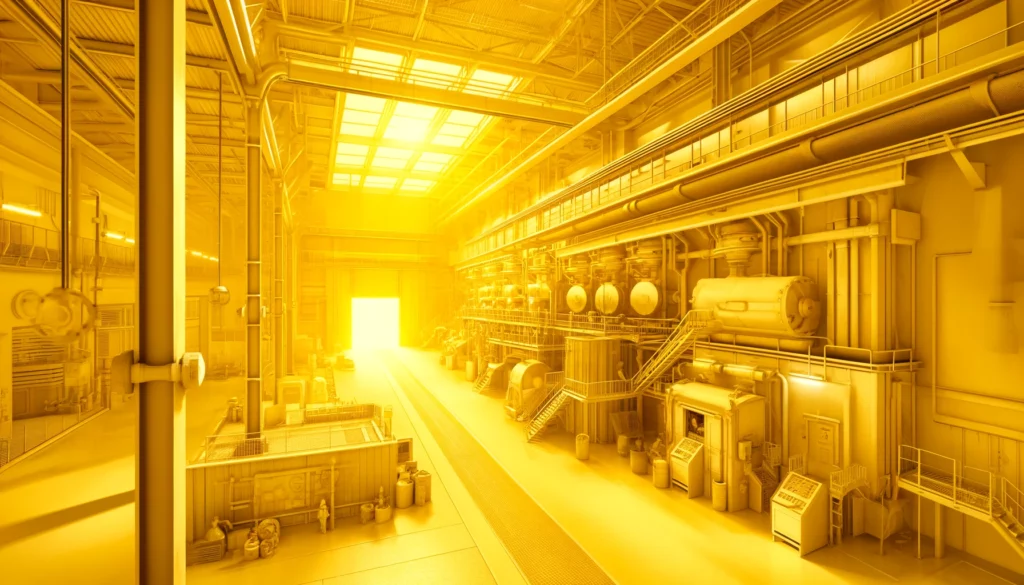
overheated factory worker in yellow tones. Temperature in factory is 90 degrees F

If you’ve ever worked in a factory where temperatures could soar into the low 80s, you know firsthand how critical climate control is for maintaining productivity and worker morale. It’s not just a comfort issue; it’s about efficiency and safety.

The Heat Problem
In a hot factory, productivity plummets. Workers slow down, mistakes increase, and heat-related illnesses become a real risk. Maintaining a comfortable temperature can enhance both mental and physical performance, creating a safer and more efficient work environment (MDPI).

Historically, factories relied on fans and open windows, but these methods often fell short. During the industrial revolution, mechanized ventilation made its debut, yet it was rudimentary compared to today’s systems. As temperatures rise, the need for advanced climate control is more urgent than ever.

Modern Solutions
Today’s climate control technologies are sophisticated. Microclimate control techniques, such as evaporative cooling and reflective roofing materials, can significantly reduce indoor temperatures (MDPI). These systems are essential for keeping factory environments comfortable even when it’s scorching outside.

Futuristic Approaches
Integrating artificial intelligence (AI) into climate control systems can provide predictive adjustments based on weather forecasts and indoor activity. AI optimizes energy use, reducing costs while maintaining optimal temperatures (MDPI). Advanced materials that reflect solar radiation or improve insulation also play a crucial role.

Business Impacts
A hot factory isn’t just uncomfortable; it’s costly. Heat can warp materials, slow production lines, and even halt operations if temperatures become unsafe. Investing in climate control can lead to increased productivity, fewer errors, and higher worker satisfaction. Companies that prioritize employee well-being often see reduced turnover rates and attract top talent.

Addressing Climate Change
As global temperatures rise, the frequency and intensity of heatwaves will increase, putting additional strain on factories. Proactive measures today can mitigate these future risks, ensuring that manufacturing operations remain stable and efficient.

Climate control in manufacturing spaces is a multifaceted solution addressing worker safety, productivity, and business continuity. The adoption of innovative cooling technologies and AI integration will be crucial as we face a warming planet. Investing in these systems not only enhances immediate operational efficiency but also future-proofs manufacturing facilities against the inevitable challenges posed by climate change.